

Are On Clouds Good For Running

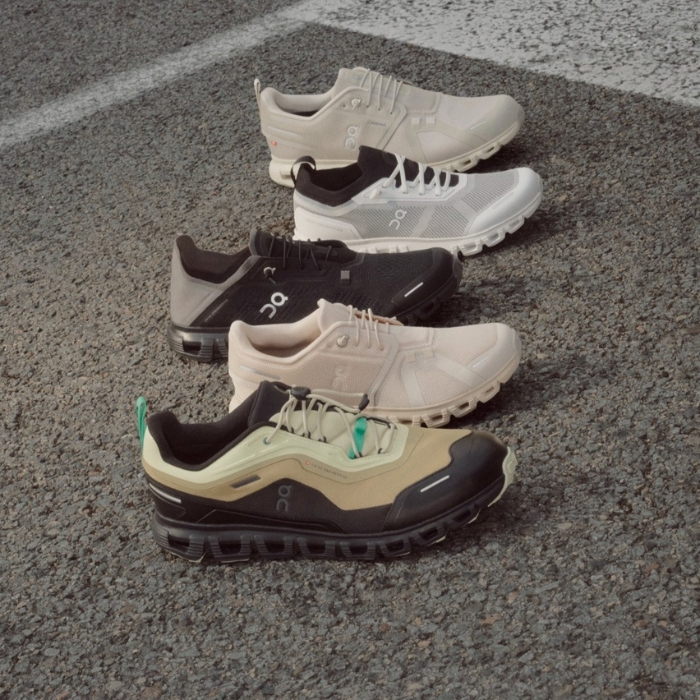
On Cloud shoes show up everywhere, from park trails to marathon starting lines, and that raises a fair question. Are they genuinely suited to running, or do they only get attention because they pair well with jeans? This piece examines the cushioning, the weight, the cost, and which kind of runner each model usually suits best. It also addresses the shoes’ weak points, since no single shoe fits every runner or every distance.The intent here isn’t to convince you to buy a pair. The aim is to provide enough information for you to make your own call, depending on how you run and what you want from a shoe. Go through the sections that are most relevant to you, and skip the others if you already have your answer.
The Cushioning System Explained
On’s running shoes use a sole made of small hollow pods, which the brand calls Cloud elements. When your foot makes contact, these pods compress, and then they spring back as you roll ahead. The goal is to make the landing softer without making the sole feel like a soft, unstable pillow. A lot of runners report that the ride feels firmer than shoes from brands such as Hoka, yet it still cushions the joints better than a thin racing flat.This design suits shorter and mid-length runs, about three to ten miles, where that firmness supports quicker turnover. https://onrunningg.us/on-cloud/ longer runs beyond fifteen miles, some runners find more foot fatigue than they experience with shoes that have deeper, softer foam. If most of your running is 5Ks and 10Ks, the cushioning usually works in your favor. If you’re preparing for a marathon, it’s worth trying a pair before you commit to wearing it on race day.
Weight and How It Feels Underfoot
Weight matters more in running shoes than most people expect, since every extra ounce adds up over a long run. Models such as the Cloudmonster sit on the heavier side for cushioned trainers, while the Cloudsurfer and Cloud 5 stay closer to a middle weight. None of On’s mainstream running shoes compete with true racing flats, which strip out cushioning to save grams.For daily training miles, the weight rarely causes problems, since most runners aren’t chasing personal records on an easy run. If you’re looking for something for speed sessions or race day, look at On’s lighter racing line instead of the standard lineup. Picking the wrong model for the wrong run is a common mistake, and it’s an easy one to avoid once you know the weight differences.
Grip and Behavior on Different Surfaces
The outsole on most On running shoes handles pavement and packed gravel without much trouble. The rubber holds up reasonably well on dry roads, and the pattern gives decent grip on light rain. Where things get harder is loose or wet trail, where the tread pattern on road-focused models struggles to bite into mud or loose dirt the way a dedicated trail shoe does.If you run mostly on paved paths or a treadmill, this isn’t something to worry about. If your routes cross wet grass, gravel, or dirt trails regularly, look at On’s trail-specific line instead, since the outsole pattern differs and grips rougher ground far better. Using a road shoe on a muddy trail is one of the more common reasons runners slip and roll an ankle.
Who These Shoes Tend to Work Best For
Runners with a fairly neutral stride, meaning the foot doesn’t roll in or out sharply, tend to get along well with On’s cushioning. The firmer platform gives a stable base without added support features built into shoes made for overpronation. Runners who need that extra inward support may find On’s neutral shoes don’t offer enough, and might want to look at a stability model instead, if the brand offers one in their size.Beginner runners often like On shoes because the cushioning forgives a rough landing while the shoe still feels light on the foot. Faster, more experienced runners sometimes find the ride a bit less responsive than firmer racing shoes at high speeds. None of this means one group can’t use the other type of shoe. It just means most runners land more happily in one category than the other.
Price Against What You’re Getting
On Cloud running shoes usually sit in the same price range as other premium running brands, generally between 130 and 180 dollars depending on the model and the market. That price buys a cushioning system that few other brands copy closely, along with an upper that holds its shape after repeated washes. It doesn’t buy the absolute lightest shoe on the market, nor the softest ride available.Whether the price is justified depends on how many miles you intend to run in the shoe and how frequently you swap out running shoes in general. Runners who cover twenty or more miles each week get more value for their money than someone who runs twice a month, because the cost is spread over more use. If money is tight, keeping an eye out for last season’s colorways on sale is one of the best ways to get the same shoe for less.
Common Complaints Worth Knowing About
No shoe gets universal praise, and On is no exception. Some runners report the toe box feels narrow, especially in the Cloudsurfer, which can cause discomfort on longer runs for wider feet. Others mention that the foam softens with heavy use faster than they expected, showing up as a flatter ride after three or four hundred miles rather than the five hundred some other brands promise.None of these complaints are universal, and plenty of runners log thousands of miles in On shoes without issue. Even so, it’s useful to learn about the experiences of other runners before making a purchase, particularly if your foot is wider or you intend to log significant mileage in the shoe. Testing a pair in person, where you can assess the toe box and try the ride on a treadmill, will reveal most of these problems before you buy.
Weighing It All Together for Your Own Running
On Cloud footwear is effective for road running, especially for shorter to mid-distance runs and for runners who have a relatively neutral gait. They lack effectiveness for wet trail tasks, for runners requiring additional stability, and for those seeking the lightest shoe for race day. The cost aligns with other high-end brands, and the worth increases with the more miles you truly cover in them.The most effective way to determine if they suit you is to test a pair and run in them, preferably outside instead of just on a treadmill in the store. The way you walk, your mass, and the terrains you jog on influence the response more than any assessment can. Utilize all that has been mentioned above as a foundation, then allow your own legs to make the ultimate decision.